
Time: Oct 24 2026 Views: 17
Gearbox production is changing as manufacturers look for stronger components, shorter lead times, tighter tolerances, and more reliable performance in demanding applications. Modern gearbox engineering now blends advanced design software, smarter machining, improved inspection, and more flexible supply chains. For buyers, maintenance teams, and engineers, understanding these changes makes it easier to evaluate gearbox manufacturers and choose partners who can support both performance and long-term service needs.
The biggest shift is that gearbox production is becoming more connected, data-driven, and application-specific. Instead of treating a gearbox as a standard mechanical assembly, leading teams design, machine, inspect, and document each critical component with a clearer view of how it will perform under load, heat, vibration, contamination, and long operating cycles.
This matters because gearboxes rarely fail in convenient conditions. They work inside conveyors, mixers, cranes, mining equipment, marine systems, processing lines, and other machinery where downtime can affect the entire operation. As a result, many gearbox companies are investing in better production methods that reduce variation and make quality easier to verify before the unit reaches the field.
For customers, innovation does not simply mean newer machines on the factory floor. It means more predictable lead times, better fit for the application, clearer documentation, easier rebuild planning, and more confidence that the gearbox will perform as expected.
Strong production begins long before metal is cut. Today, gearbox engineering often starts with digital modeling that helps teams evaluate geometry, torque requirements, gear ratios, shaft arrangements, bearing placement, lubrication paths, and housing design before a component moves into manufacturing.
This early analysis helps a gear company identify potential issues that might otherwise appear late in production or, worse, after installation. Engineers can review load distribution, check clearances, study assembly constraints, and consider service access while the design is still flexible. That creates a smoother path from concept to finished gearbox.
Digital design also supports better communication between customers and manufacturers. When a buyer needs a custom reducer, replacement unit, or retrofit solution, models and drawings can help clarify expectations. The result is less guesswork around dimensions, mounting requirements, shaft orientation, and connection points.
Key advantages of digital design include:
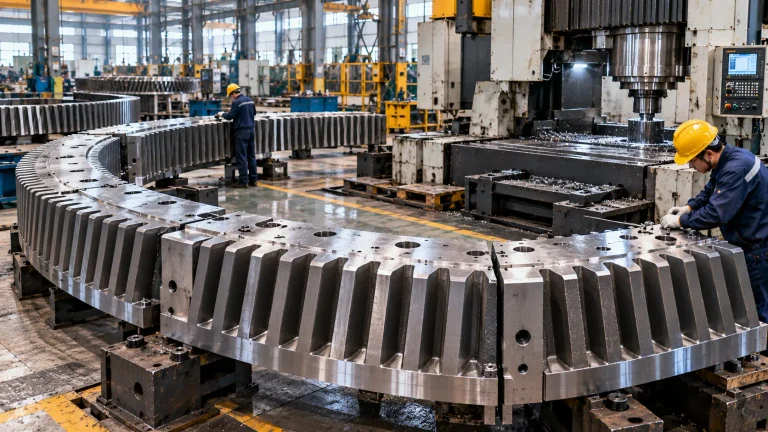
Machining remains at the center of gearbox production, but the tools and workflows continue to improve. CNC turning, milling, grinding, gear cutting, and finishing equipment allow gearbox manufacturers to produce components with repeatable accuracy when the process is properly planned and controlled.
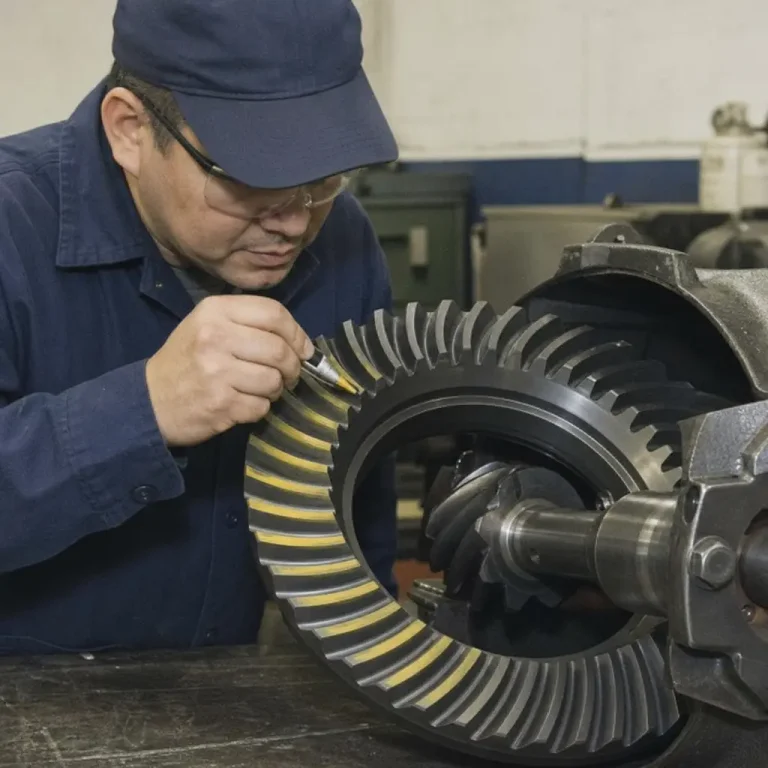
Tighter tolerances are especially important for gears, shafts, bores, bearing seats, and housings. Small dimensional errors can affect alignment, tooth contact, noise, heat generation, and wear patterns. Precision machining helps reduce those risks by keeping parts closer to design intent.
Many gear reducers manufacturers also rely on improved fixturing and workholding to maintain consistency from one operation to the next. A part may move through several production stages, and each setup introduces an opportunity for variation. Better fixtures, standardized procedures, and skilled machinists all contribute to a more stable process.
Finishing is another important piece. Gear tooth grinding, surface treatment preparation, deburring, and edge conditioning can influence how smoothly gears mesh and how well components hold up in service. Production innovation is not always dramatic; sometimes it is the disciplined refinement of each small step that improves the finished gearbox.
Additive manufacturing is not replacing traditional gearbox production, but it is changing how some teams approach prototypes, tooling, patterns, and certain specialized components. For complex housings, inspection fixtures, casting patterns, or development parts, 3D printing can help reduce early-stage delays and support faster iteration.
This is especially useful when engineers need to test fit, validate a concept, or communicate a design before committing to full production. A printed prototype can reveal packaging issues, service access challenges, or mounting conflicts that may not be obvious on a screen. That makes additive manufacturing a practical complement to conventional machining.
In production environments, additive methods can also help create custom tools, jigs, guards, or inspection aids. These supporting pieces may not be part of the final gearbox, but they can make the manufacturing process more efficient and repeatable.
The most realistic view is balanced: additive manufacturing is a useful tool, not a universal replacement. Gear teeth, shafts, and heavily loaded components still require careful material selection, heat treatment, machining, and inspection. However, when used in the right place, additive technology helps gear box manufacturers move faster and solve production challenges with more flexibility.
Inspection matters because a gearbox is only as reliable as the accuracy of its critical parts and the consistency of its assembly. Even well-machined components need verification, because dimensional variation, surface condition, hardness, alignment, and contact pattern can all affect performance.
Modern inspection methods may include coordinate measuring machines, gear measurement systems, surface finish checks, hardness testing, runout checks, and assembly verification. These tools help confirm that parts meet requirements before they are installed into a gearbox. For high-value or mission-critical equipment, the inspection record can be just as important as the component itself.
Quality control also supports root-cause analysis. If a gearbox develops unusual wear or noise, documented measurements can help determine whether the issue is related to design, operation, installation, lubrication, contamination, or production variation. Without good records, teams are left with assumptions.
For buyers comparing transmission gear manufacturers, inspection capability should be part of the conversation. A lower-cost unit may not be a better value if the supplier cannot explain how parts are checked, how assemblies are validated, or how nonconforming components are handled.
A practical inspection-focused evaluation might include:
Production innovation depends on strong fundamentals, and material selection is one of them. Gearboxes may require steels, irons, alloys, surface treatments, coatings, seals, bearings, and lubricants selected for the load, speed, temperature, duty cycle, and environment.
Heat treatment is especially important for gears and shafts because it affects hardness, toughness, wear resistance, and fatigue performance. If the process is not controlled properly, a component may be too soft, too brittle, distorted, or inconsistent. That is why experienced gearbox manufacturers treat heat treatment as part of the production strategy, not an afterthought.
Material planning also affects availability. Some projects depend on specialized bar stock, forgings, castings, bearings, seals, and other gearbox supplies. A manufacturer with strong supplier relationships may be better positioned to manage lead times, especially for custom builds or urgent replacements.
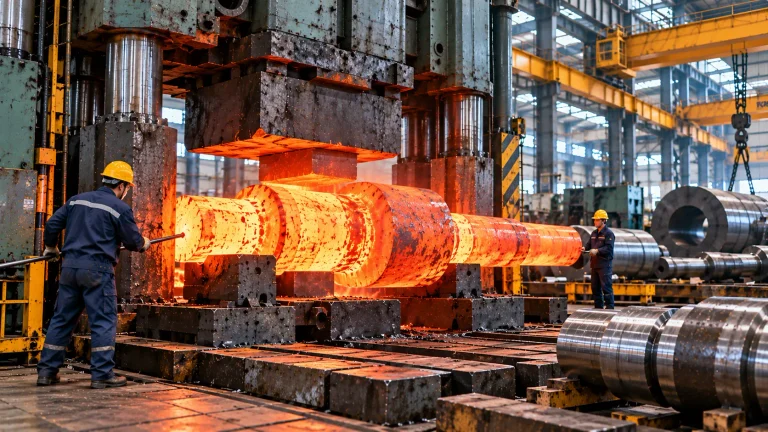
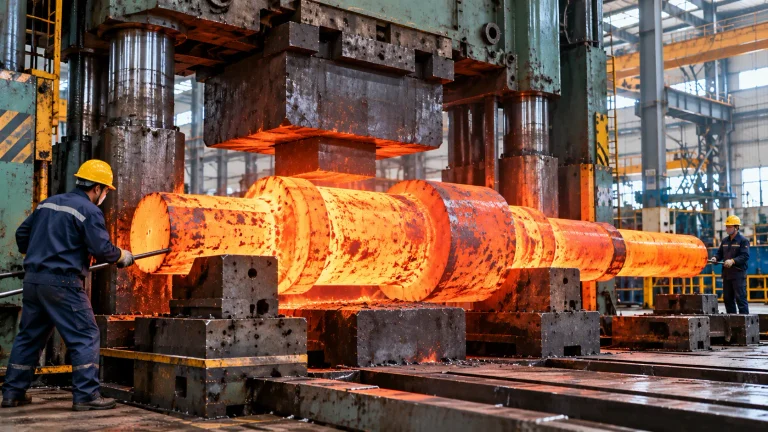
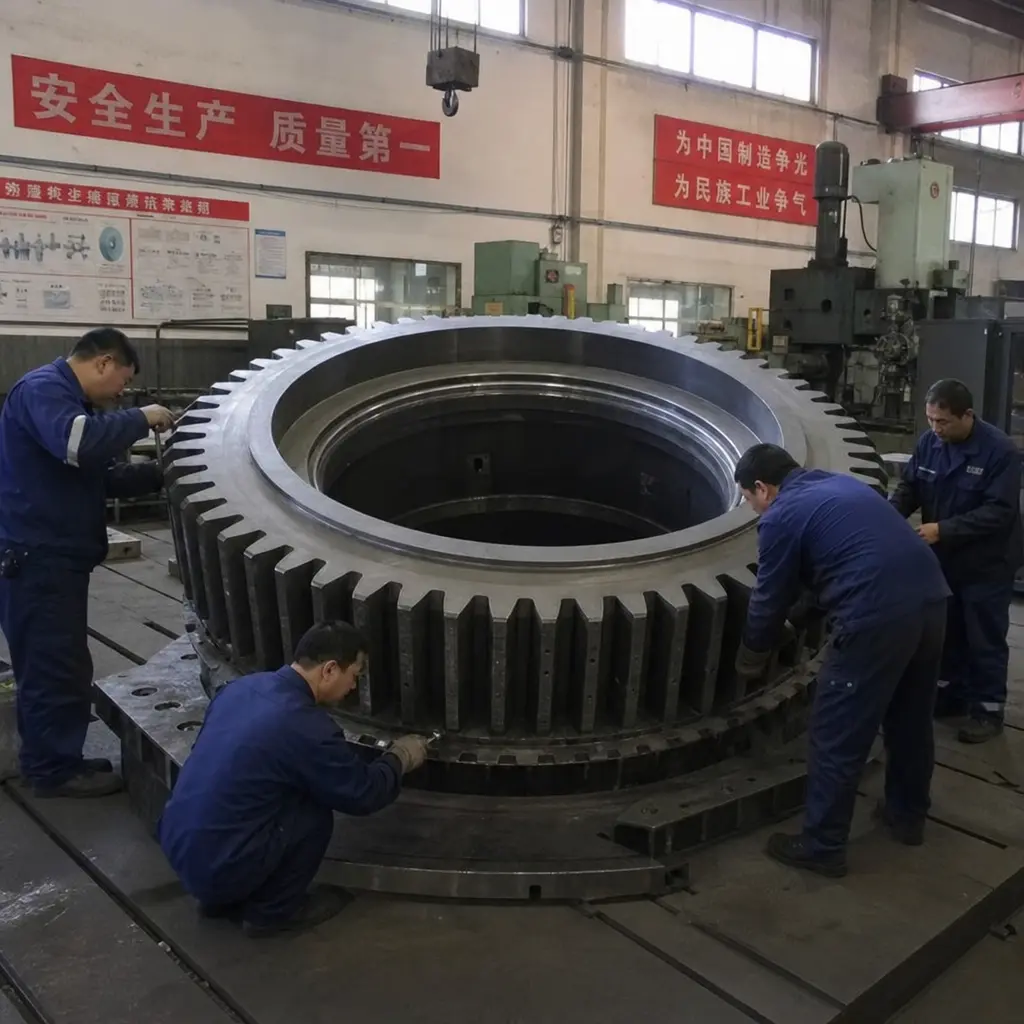
For large units, material handling becomes part of production quality. Large gearbox manufacturers must consider lifting, staging, machining access, and inspection logistics. Heavy parts require planning to prevent damage and maintain accuracy throughout production.
Automation in gearbox production is not limited to robots. It can include programmed machining cycles, automated measurement routines, tool monitoring, digital work instructions, inventory systems, and production tracking. Each element helps reduce avoidable variation and gives teams better visibility into the work in progress.
For repeat orders, automation can preserve proven setups and make future production more consistent. For custom work, digital process control helps ensure that unique requirements are not lost between engineering, purchasing, machining, inspection, and assembly.
This is valuable for industrial gearbox manufacturers in USA markets where customers may need both standard products and application-specific solutions. A modern manufacturer must often balance speed with customization. Automation helps by reducing manual bottlenecks while still allowing engineers and technicians to apply judgment where it matters.
The best results usually come from combining skilled people with reliable systems. Machines can repeat a process, but experienced machinists, inspectors, and assemblers understand what the data means and when a part deserves closer attention.
Gearbox production relies on more than in-house capability. Castings, forgings, bearings, seals, fasteners, lubricants, motors, couplings, and specialty services may all influence the final result. When supply chains are weak, production schedules become harder to manage and quality risks increase.
Innovative manufacturers are paying closer attention to sourcing strategy, approved suppliers, traceability, and communication. This is especially important for replacement gearboxes, custom reducers, and heavy industrial applications where a missing component can delay an entire project.
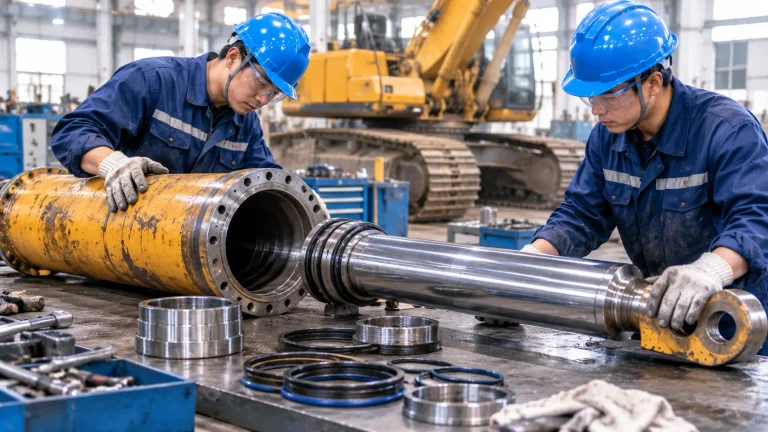
Buyers should also think beyond the initial purchase. A supplier that can help with spare parts, repair recommendations, and future gearbox supplies may provide more long-term value than one focused only on the first shipment.
When evaluating gearbox companies, consider these questions:
The most valuable innovations in gearbox production are the ones that improve reliability, fit, serviceability, and production confidence. Digital design, advanced machining, additive support, better inspection, controlled materials, automation, and stronger supply chains all contribute to that goal.
For engineers and buyers, the takeaway is simple: do not judge a gearbox only by its catalog description. Look at the process behind it. The right manufacturing partner should understand the application, control the details, verify the work, and support the equipment after it leaves the shop.
As gearbox production continues to evolve, the strongest manufacturers will be those that combine modern tools with disciplined craftsmanship. That balance is what turns innovation into real-world performance.
@ 2025-2026 Langteng Machinery