
Time: Oct 27 2026 Views: 7
Inspection, Repair Decisions, and Custom Replacement Components for Heavy-Duty Hydraulic Cylinders
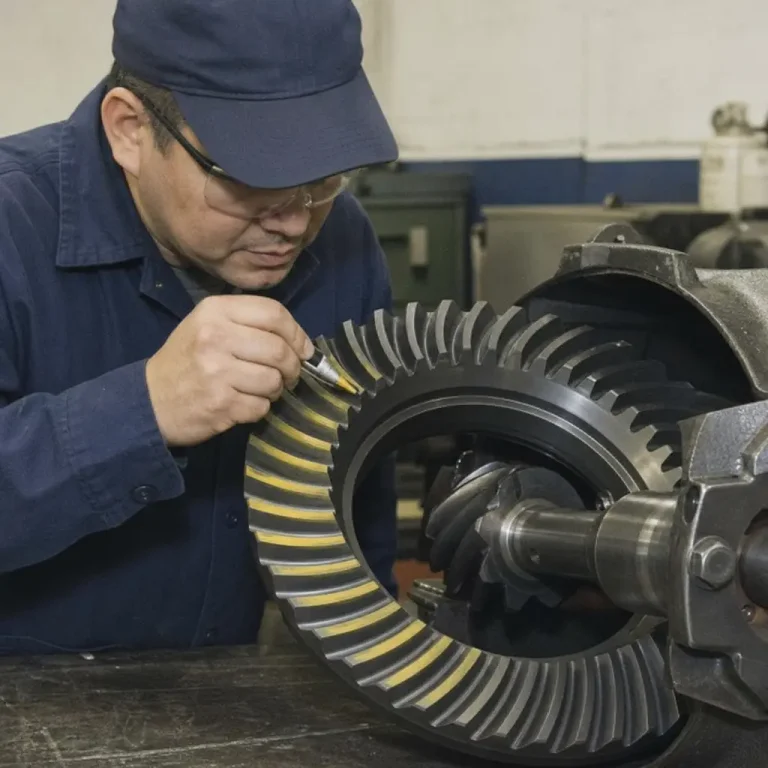
Hydraulic cylinders are critical to the operation of mining excavators, haul trucks, wheel loaders, drilling equipment, and other heavy-duty machinery. They convert hydraulic pressure into linear force, allowing machines to lift, push, tilt, and position heavy loads.
When a hydraulic cylinder begins leaking, loses holding force, or develops abnormal movement, equipment owners face an important decision:
Should the hydraulic cylinder be rebuilt, repaired with custom replacement components, or replaced entirely?
A hydraulic cylinder rebuild often involves replacing seals and restoring worn surfaces. However, for heavy mining equipment, a successful rebuild requires more than installing a new seal kit.
The cylinder barrel, piston rod, piston, gland, and mounting components must also be evaluated for wear, deformation, corrosion, and structural damage.
From a heavy-duty components manufacturer's perspective, understanding these parts is essential to making reliable and economical repair decisions.
This guide explains how hydraulic cylinders are rebuilt, which components commonly require replacement, and when custom manufacturing can support a rebuild project.
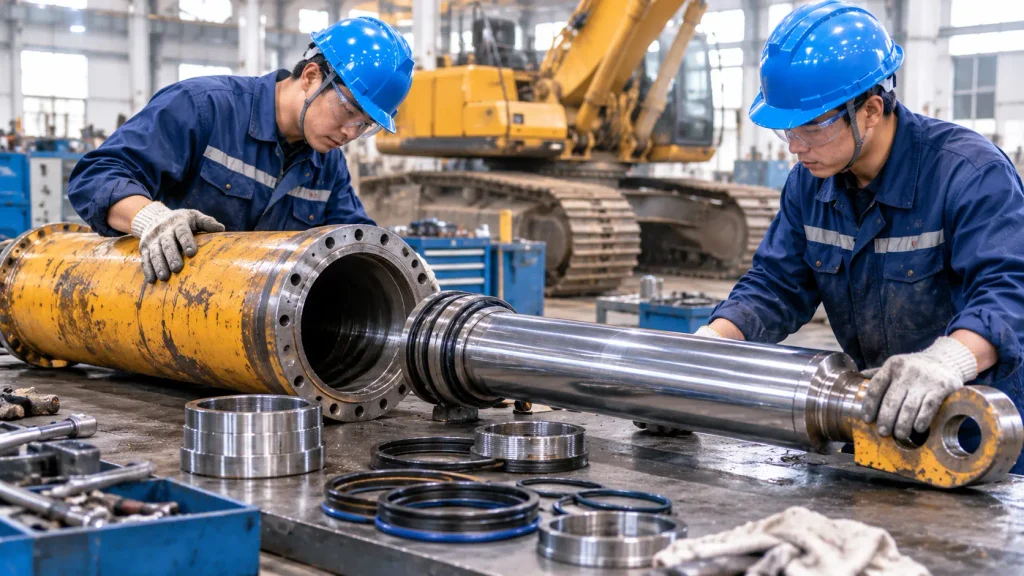
A hydraulic cylinder rebuild is the process of restoring a used hydraulic cylinder to an acceptable operating condition through inspection, repair, and replacement of damaged components.
Depending on the cylinder design and its condition, the process may involve:
A rebuild is different from a simple seal replacement.
If a hydraulic cylinder leaks because its piston rod is deeply scored or its barrel bore is damaged, replacing the seals alone may not solve the problem.
The purpose of a rebuild is to correct the underlying failure, not simply eliminate the visible symptoms.
Mining equipment operates under demanding conditions, including high loads, dust, vibration, contamination, and repeated operating cycles.
These conditions can contribute to several hydraulic cylinder problems.
| Problem | Possible Cause | Components to Inspect |
| External oil leakage | Worn seals, rod damage, gland damage | Rod, gland, seals |
| Cylinder drifting under load | Internal leakage or control-system faults | Piston seals, barrel, valves |
| Slow or uneven movement | Contamination, binding, hydraulic-system problems | Rod, guides, piston, system |
| Scored piston rod | Abrasive contamination, damaged wiper | Rod, wiper, seals |
| Damaged cylinder bore | Particle contamination, side loading | Barrel, piston, wear rings |
| Bent piston rod | Overloading, misalignment, impact | Rod, mounting components |
| Repeated seal failure | Surface damage, excessive clearance, misalignment | Rod, barrel, gland, guides |
These symptoms do not always originate inside the cylinder. Pumps, valves, hydraulic fluid condition, and machine alignment may also contribute.
Accurate diagnosis should come before ordering replacement parts.
Hydraulic cylinder rebuilding should be performed by qualified technicians using the service instructions for the specific cylinder.
Heavy mining cylinders can contain trapped hydraulic pressure and may support substantial loads. Before disassembly, the machine must be safely isolated, loads mechanically supported, and stored energy released according to approved procedures.
The following stages provide an overview of the professional rebuild process.
Before starting a rebuild, record:
These details help identify the correct parts and establish the technical requirements for any custom replacements.
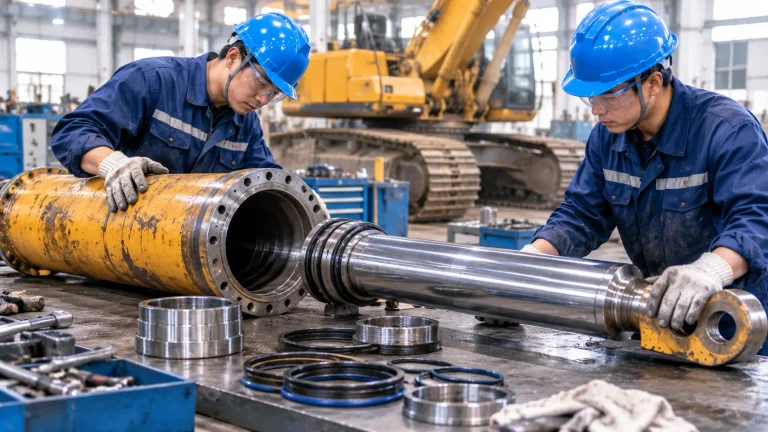
After safe isolation and removal, technicians disassemble the cylinder using the manufacturer's specified methods and suitable lifting equipment.
The process generally involves removing the gland or end closure, extracting the piston and rod assembly, and separating components as required.
Different cylinder designs use different retention methods. Welded, threaded, bolted, and other configurations cannot be treated identically.
Critical surfaces must be protected from damage during handling.
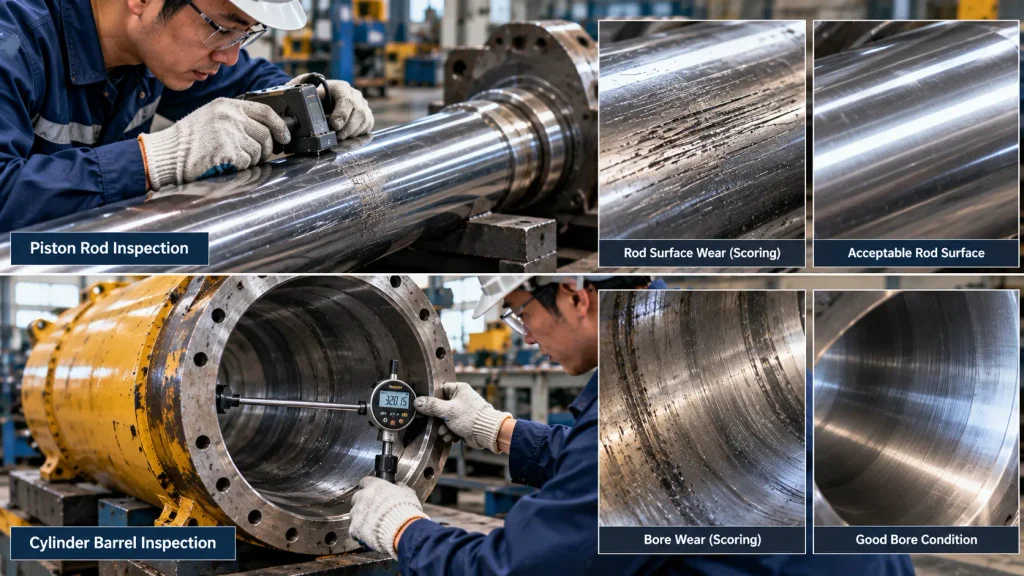
The piston rod is exposed to demanding mechanical and environmental conditions.
Inspection should consider:
Minor surface damage may be repairable if the approved repair process can restore the required dimensions and finish.
Severe bending, cracking, or damage beyond permissible limits may require a replacement rod.
The cylinder barrel is a pressure-containing component with a precision internal surface.
Technicians should examine:
Light surface damage may be suitable for honing if the final bore remains within the approved dimensional and structural limits.
A severely damaged or deformed barrel may need replacement.
Honing cannot restore structural integrity to a cracked or excessively weakened pressure-containing barrel.
The piston, gland, and guide elements control alignment and provide the surfaces required for effective sealing.
Inspection should include:
If excessive clearance is caused by damaged metal components, new seals alone may not provide a lasting solution.
Once measurements and inspections are complete, each component should be classified for reuse, approved repair, or replacement.
This is where custom-manufactured components may become relevant.
A damaged piston rod, barrel, piston, or gland may be replaceable without purchasing an entirely new cylinder assembly.
However, the replacement must meet the original engineering requirements or an approved revised design.
Qualified technicians reassemble the cylinder using the correct replacement parts, seal specifications, assembly procedures, and tightening requirements.
Cleanliness is particularly important.
Contamination introduced during assembly can damage precision surfaces and shorten seal life.
A rebuilt hydraulic cylinder should undergo the tests required by its manufacturer and application.
These may include:
Test pressures, durations, and acceptance criteria must follow the applicable cylinder specifications.
A cylinder should not be returned to mining operations solely because it moves successfully without a load.
Not every damaged component requires the same solution.
| Component | Potential Repair Option | When Replacement May Be Necessary |
| Piston Rod | Approved polishing, grinding, or recoating | Cracks, severe bending, damage beyond dimensional limits |
| Cylinder Barrel | Honing within approved limits | Cracking, deformation, excessive bore damage |
| Piston | Minor approved rework | Damaged grooves, cracks, excessive wear |
| Cylinder Gland | Bushing or guide replacement, approved machining | Structural damage, excessive wear, damaged interfaces |
| End Cap | Approved restoration of limited damage | Cracks, deformation, damaged critical connections |
| Seals and Wear Rings | Generally replaced during rebuild | Wear, damage, incompatibility |
The feasibility of any repair depends on the component design, applicable standards, and engineering assessment.
Pressure-containing components and safety-critical mounting features require particular care.
For mining equipment operators, one challenge is obtaining replacement parts for large, specialized, or older hydraulic cylinders.
Standard repair kits may contain seals and wear rings but not the heavy metal components needed to complete a rebuild.
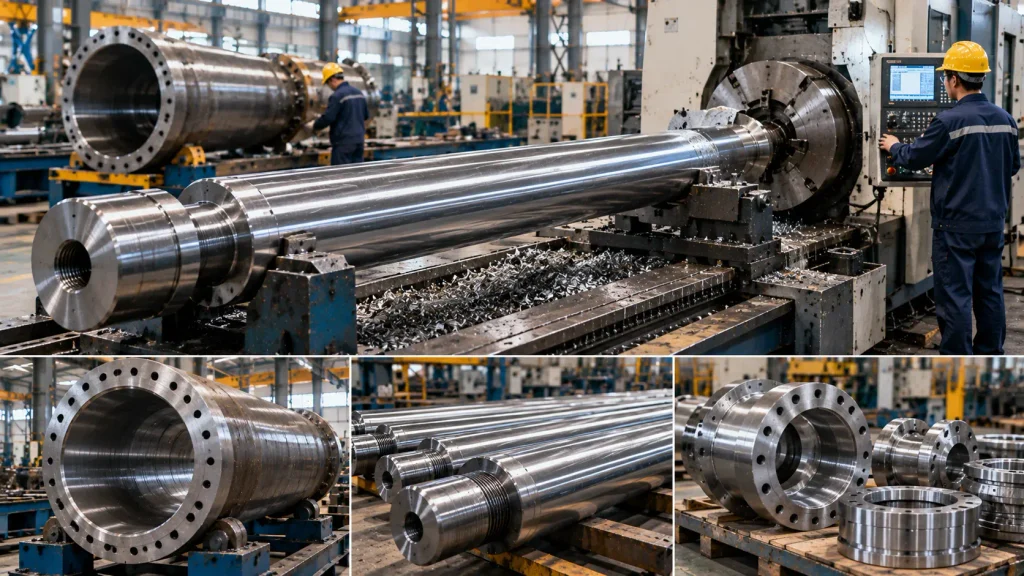
Custom manufacturing can help address this gap.
Cylinder barrels require suitable material properties, dimensional accuracy, and precision internal finishing.
Manufacturing considerations include:
A replacement barrel must be manufactured to verified engineering specifications.
Large mining cylinders may require substantial piston rods with demanding strength, straightness, and surface requirements.
Manufacturing considerations include:
The surface finish and coating must be compatible with the selected sealing system.
Pistons must maintain the correct fit within the barrel and accommodate the specified seals and guide elements.
Critical features may include:
Glands and end caps are precision components that influence sealing, alignment, and structural integrity.
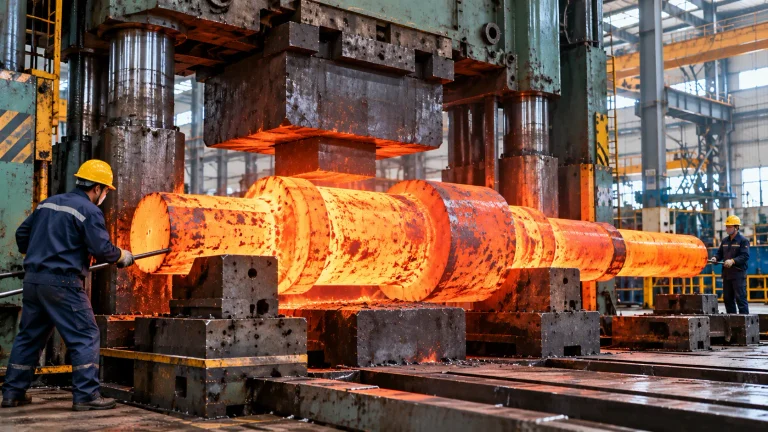
Depending on the design, they may be manufactured through forging, casting, and precision machining.
Particular attention must be given to mounting interfaces, threads, seal grooves, and load-bearing features.
Hydraulic cylinder performance depends on the interaction of several closely fitted components.
A new piston rod may have the correct overall length but still cause problems if its diameter, straightness, surface finish, or connection geometry is incorrect.
Similarly, a replacement barrel must meet the required bore tolerances and provide an appropriate surface for the piston sealing system.
Three manufacturing factors are particularly important.
The selected material must meet the component's mechanical and operating requirements.
Higher material strength alone does not guarantee better performance.
Incorrect dimensions can produce excessive clearances, binding, seal damage, or assembly difficulties.
The cylinder bore and piston rod are functional sealing surfaces.
Their surface characteristics must be compatible with the seals, guides, hydraulic fluid, and operating conditions.
For hydraulic cylinder components, manufacturing quality is measured by functional compatibility—not simply by the ability to reproduce the external shape.
The decision should consider the extent of damage, component availability, downtime, and total repair cost.
The remaining cylinder components are in acceptable condition
For mining operations, downtime can also influence the decision.
A lower-cost repair may not be economical if it requires an excessively long shutdown.
When requesting custom hydraulic cylinder components, customers should provide as much technical information as possible.
| Information | Why It Matters |
| Equipment make and model | Identifies the application |
| Cylinder part number | Supports component identification |
| Component drawings | Defines geometry and tolerances |
| Existing part dimensions | Supports replacement-part evaluation |
| Material specification | Establishes mechanical requirements |
| Operating pressure | Defines an essential design requirement |
| Bore, rod diameter, and stroke | Establishes basic cylinder geometry |
| Surface treatment requirements | Supports sealing compatibility |
| Failure photographs | Helps identify damage |
| Inspection and test requirements | Defines acceptance criteria |
When original drawings are unavailable, dimensional measurement and reverse engineering may support a replacement project.
However, measuring an existing component does not by itself establish its original material properties, pressure rating, fatigue requirements, or safe design limits.
These must be verified through appropriate engineering documentation and assessment.
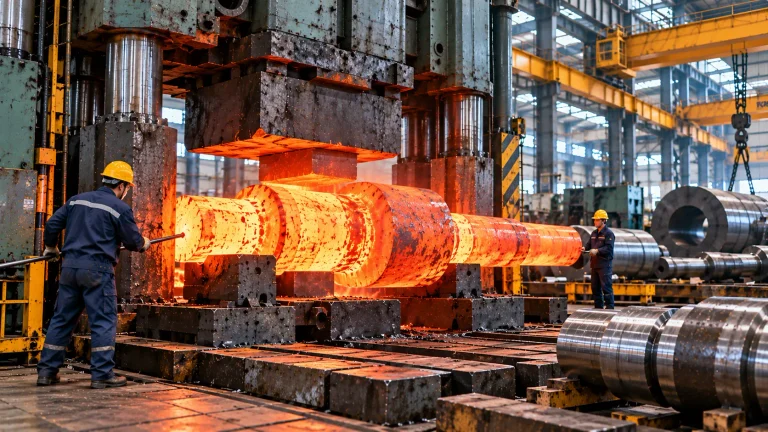
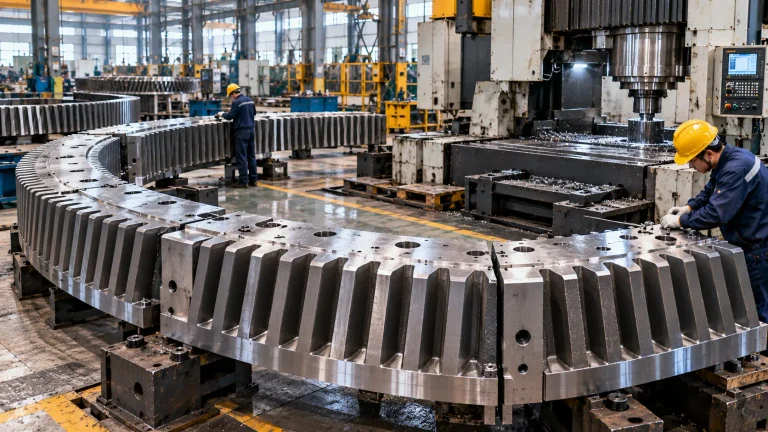
LANGTENG focuses on manufacturing heavy industrial components through casting, forging, and precision machining.
For hydraulic cylinder rebuild projects, the relevant manufacturing opportunities include custom metal components such as:
Manufacturing feasibility depends on component dimensions, material specifications, processing requirements, and available production capabilities.
Our objective is to support customers who need correctly specified replacement components for demanding industrial applications.
Rather than treating every hydraulic cylinder failure as a simple seal problem, we encourage customers to identify the condition of the critical metal components before deciding on a repair strategy.
Hydraulic cylinder rebuilding involves stored-pressure hazards, heavy components, precision fits, and testing requirements.
For heavy mining equipment, rebuilding should be performed by qualified personnel following the equipment manufacturer's procedures.
Some manufacturers restrict disassembly or structural repairs to authorized facilities.
It can be, particularly when the main cylinder structure remains serviceable.
However, the comparison should include replacement parts, labor, testing, downtime, and the risk of repeat failure.
Some surface damage may be repairable through approved machining or honing.
Cracks, severe deformation, or damage that compromises required wall thickness may make replacement necessary.
Yes, provided the manufacturer has the required material, machining, finishing, and inspection capabilities.
The replacement must meet the applicable dimensional and mechanical specifications.
Possible causes include damaged sealing surfaces, incorrect seal selection, excessive guide clearance, contamination, installation errors, or unresolved operating problems.
The root cause should be identified before repeating the repair.
A rebuild kit typically contains seals, wipers, wear rings, and related service items.
Custom cylinder components refer to manufactured metal parts such as piston rods, barrels, pistons, glands, and end caps.
These serve different needs during a rebuild.
Rebuilding a hydraulic cylinder is not simply a matter of installing new seals.
For heavy-duty mining equipment, reliable results depend on determining whether the piston rod, barrel, piston, gland, and other critical components remain suitable for service.
When these parts are damaged beyond approved repair limits, custom manufacturing may provide an alternative to replacing the entire cylinder assembly.
The key is to combine accurate inspection, verified engineering specifications, appropriate manufacturing processes, and qualified rebuild testing.
Need Custom Hydraulic Cylinder Components for Mining Equipment?
LANGTENG welcomes inquiries for custom heavy-duty metal components manufactured to approved drawings and technical requirements.
Share your component drawings, material specifications, dimensions, and application details to discuss manufacturing feasibility.
Request a Custom Component Quote
@ 2025-2026 Langteng Machinery