
Time: Oct 24 2026 Views: 16
Optimize your excavation efficiency with the perfect excavator bucket size. Discover how to match buckets to your machine, conditions, and task needs.
Choosing the right excavator bucket size comes down to matching the bucket to the machine, the material, and the work you need to complete. A well-matched excavator bucket helps you dig cleaner, load faster, reduce strain on the excavator, and avoid unnecessary wear. Whether you are comparing mini excavator buckets, looking at digger buckets for sale, or speaking with excavator bucket manufacturers, the best choice is the one that balances capacity, breakout force, and jobsite conditions.
You need an excavator bucket that your machine can safely handle while still giving you enough width and capacity for the task. A bucket that is too small may slow the job down, while a bucket that is too large can reduce digging power, overload the machine, increase fuel use, and put extra stress on pins, bushings, hydraulics, and the boom.
The right size is rarely just about “bigger is better.” It depends on the excavator’s operating weight, hydraulic capability, coupler setup, soil type, trench width, lifting limits, and how precise the finished dig needs to be. For example, digging narrow utility trenches calls for a different bucket than bulk earthmoving, ditch cleaning, or loading loose material into a truck.
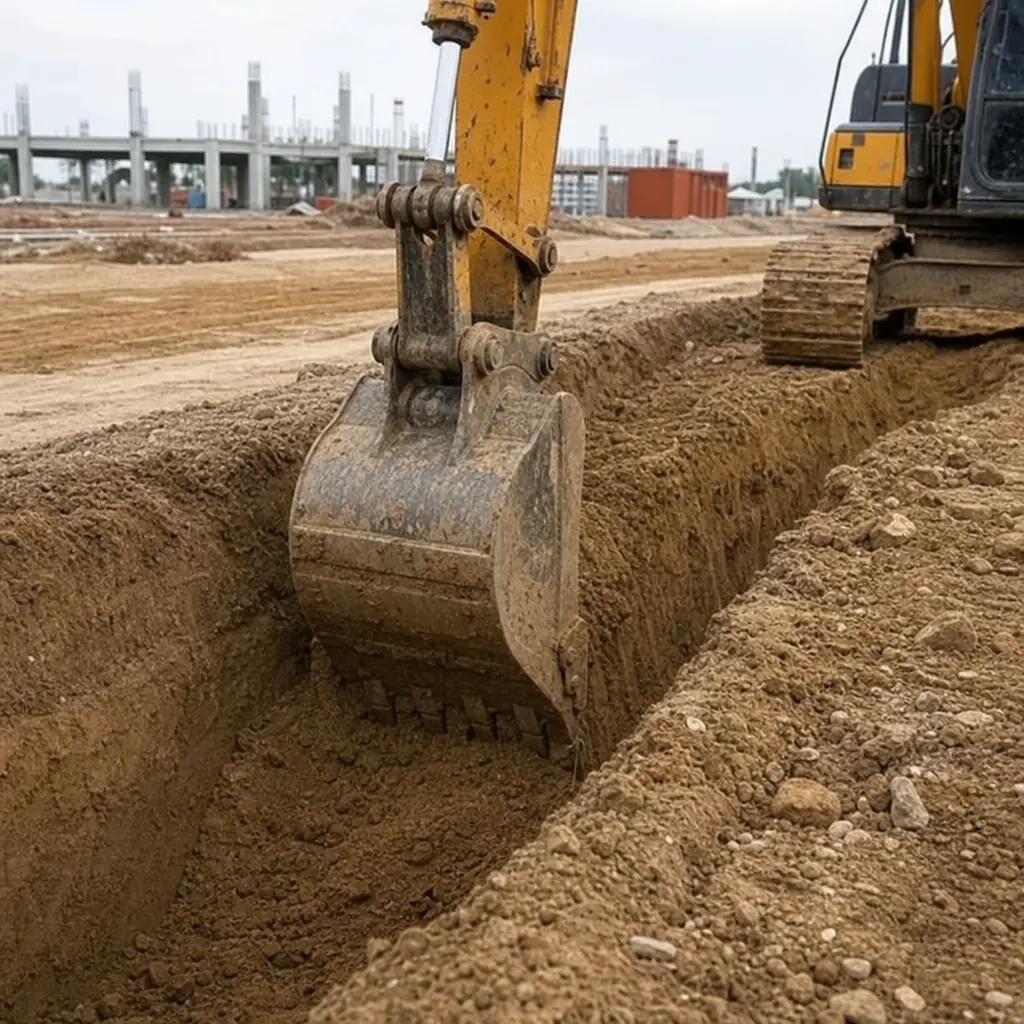
An excavator works best when the attachment complements the machine instead of fighting it. If the bucket is properly sized, the operator can fill it efficiently, curl through the material, and cycle smoothly without forcing the machine. That means better control, cleaner passes, and less wasted movement.
Oversized digging buckets may look productive because they carry more material, but they can slow each cycle if the machine struggles to fill or lift them. In dense clay, rocky ground, or compacted soil, a smaller bucket may dig faster because it can penetrate the ground more easily. In loose sand, gravel, mulch, or topsoil, a wider bucket may be more efficient because the material is easier to scoop and move.
Bucket sizing also affects long-term maintenance. Too much bucket for the machine can accelerate wear on the undercarriage, swing components, stick, boom, and hydraulic system. Choosing the correct excavator bucket protects both output and equipment value.
Before buying or hiring an attachment, step back and assess the full working setup. The same bucket can perform very differently depending on the machine and the material.
Use this checklist as a practical starting point:
A good supplier should help confirm compatibility before you buy. If you are comparing digger buckets for sale online, check dimensions, pin diameter, dipper gap, center-to-center pin distance, machine class, and whether the bucket is designed for direct mount or coupler use.
Not every bucket is built for the same job. Understanding the main categories makes it easier to choose the correct size and shape.
General-purpose digging buckets are the everyday choice for soil, clay, sand, gravel, and mixed ground. They usually have teeth and a profile designed to balance penetration, capacity, and durability. If you only need one excavator bucket for varied site work, this is often the starting point.
The size should reflect how hard the ground is. A wider general-purpose bucket may work well in soft ground, but a narrower one is often more effective in compacted or heavy material.
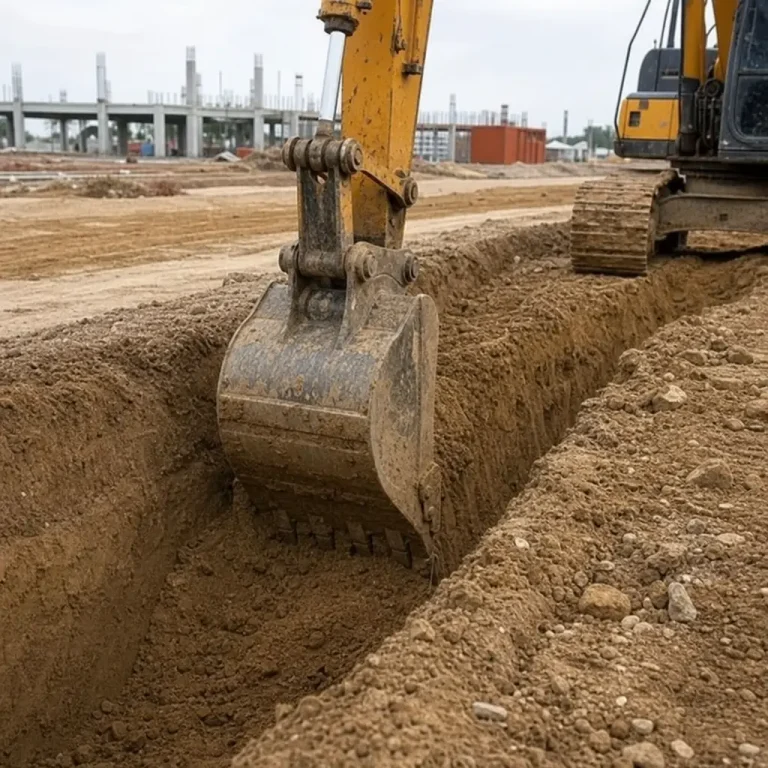
Trenching buckets are narrower and designed for utility lines, drainage, footings, and other precise excavations. The goal is not maximum volume but accurate width, straight sides, and less backfill. A trenching bucket that is too wide creates extra spoil, extra labor, and extra reinstatement work.
For pipe, cable, and conduit work, always think about the required trench width, bedding space, and site rules. The bucket should create the trench you need without removing unnecessary material.
Grading buckets are wider, often toothless, and built for shaping, leveling, ditch cleaning, and finishing. They carry lighter material across a broader edge, helping operators trim surfaces smoothly. Because they are wide, they should be used with awareness of machine stability, especially when working at reach or on slopes.
These buckets are not ideal for breaking hard ground. Their value comes after the heavy digging is done, when clean finish and control matter most.
Heavy-duty buckets are built for abrasive or demanding conditions. They may include stronger steel, reinforced wear areas, side cutters, heavier teeth, and more robust construction. Rock buckets are usually narrower relative to machine size because dense material places greater load on the machine.
When working in harsh ground, durability matters as much as capacity. A lighter-duty bucket used in the wrong conditions may wear quickly, crack, or require repeated repairs.
Mini excavator buckets are smaller and lighter, but the same sizing principles apply: the bucket must fit the machine, suit the material, and support the job. Because compact machines have lower weight and hydraulic power, oversizing can affect stability and digging performance more quickly than it would on a larger excavator.
Mini excavators are often used in tight spaces, residential work, landscaping, drainage, utilities, and small demolition tasks. That makes bucket choice especially important. A narrow trenching bucket can help reduce disruption in gardens, driveways, and confined areas, while a grading bucket can improve finishing work without bringing in a larger machine.
When selecting mini excavator buckets, pay close attention to attachment measurements. Compact equipment often has many pin and coupler variations, even within similar machine sizes. Confirming the fit before purchase avoids downtime and return costs.
Bucket width is one of the most visible sizing decisions, but it should not be chosen in isolation. A wider bucket increases coverage and potential capacity, while a narrower bucket improves penetration and precision.
Here is a simple way to think about common width choices:
| Job type | Better bucket approach | Why it helps |
| Utility trenching | Narrow digging or trenching bucket | Controls trench width and reduces spoil |
| Bulk soil removal | Wider general-purpose bucket | Moves more loose material per pass |
| Hard clay or compacted ground | Narrower toothed bucket | Improves breakout and penetration |
| Grading and cleanup | Wide smooth-edge bucket | Creates a cleaner, flatter finish |
| Rocky or abrasive work | Heavy-duty bucket sized conservatively | Reduces strain and improves durability |
This table is only a guide. The final decision should always follow the excavator’s specifications and the supplier’s compatibility advice.
Bucket capacity tells you how much material the bucket can hold, but capacity alone does not tell you how well the machine will perform. A large bucket filled with wet clay weighs far more than the same bucket filled with dry topsoil. That difference can change stability, cycle speed, and fuel efficiency.
Breakout force is also critical. This is the digging force the machine can apply through the bucket. If the bucket is too wide or too deep for the ground conditions, the excavator may struggle to curl through the material. The operator then has to reposition more often, take smaller bites, or place extra stress on the equipment.
Good bucket selection is a balance. You want enough capacity to work efficiently, but not so much weight or resistance that the excavator loses the power and control that make it productive.
You should compare excavator bucket manufacturers because build quality, steel selection, weld quality, wear protection, tooth systems, and fit accuracy can vary. Two buckets with the same width may perform differently if one has better geometry, stronger reinforcement, or a more suitable profile for your machine and application.
Look beyond the headline size. Ask how the bucket is designed, what work it is intended for, and whether replacement teeth, pins, cutting edges, and wear parts are readily available. A cheaper bucket may cost more over time if it wears quickly, fits poorly, or causes repeated downtime.
When reviewing digger buckets for sale, consider these questions:
Clear answers reduce risk and help you buy a bucket that performs well from the first day on site.
The term bulldozer bucket is sometimes used casually, but bulldozers typically use blades rather than excavator-style buckets. Excavators dig, lift, swing, and load with a bucket attached to the arm, while bulldozers push, grade, and spread material with a front blade. The distinction matters because attachments are engineered around very different machines and forces.
If you are searching online, using the correct terms will bring up better results. Search for excavator bucket, digger buckets, digging buckets, grading buckets, or mini excavator buckets depending on the machine and task. This makes it easier to find compatible products and avoid confusing listings.
A little preparation can prevent expensive mistakes. Before committing to a bucket, collect the details a supplier or manufacturer needs to confirm fit.
If possible, keep more than one bucket available. Many operators rely on a narrow digging bucket for tough or accurate work, a wider bucket for general excavation, and a grading bucket for finishing.
The right excavator bucket size is the one that lets your machine work efficiently without being overloaded. Match the bucket to the excavator, the ground conditions, and the task, then confirm fitment before buying. Whether you are choosing compact mini excavator buckets or comparing larger digger buckets for sale, a careful selection will improve productivity, reduce wear, and make every pass count.
@ 2025-2026 Langteng Machinery