
Time: Oct 24 2026 Views: 18
Discover the core mechanics of hydraulic shovels in mining, from digging and loading to maintenance. Optimize your equipment selection with our comprehensive guide.
A hydraulic shovel is one of the most important loading machines in surface mining, quarrying, and large-scale earthmoving. It uses pressurized hydraulic fluid, heavy-duty structures, and precise operator control to dig, lift, swing, and load massive volumes of material. Understanding how a hydraulic mining shovel works makes it easier to choose the right equipment, plan productive loading cycles, and recognize the difference between a shovel excavator, a power shovel excavator, and other mine shovel options.
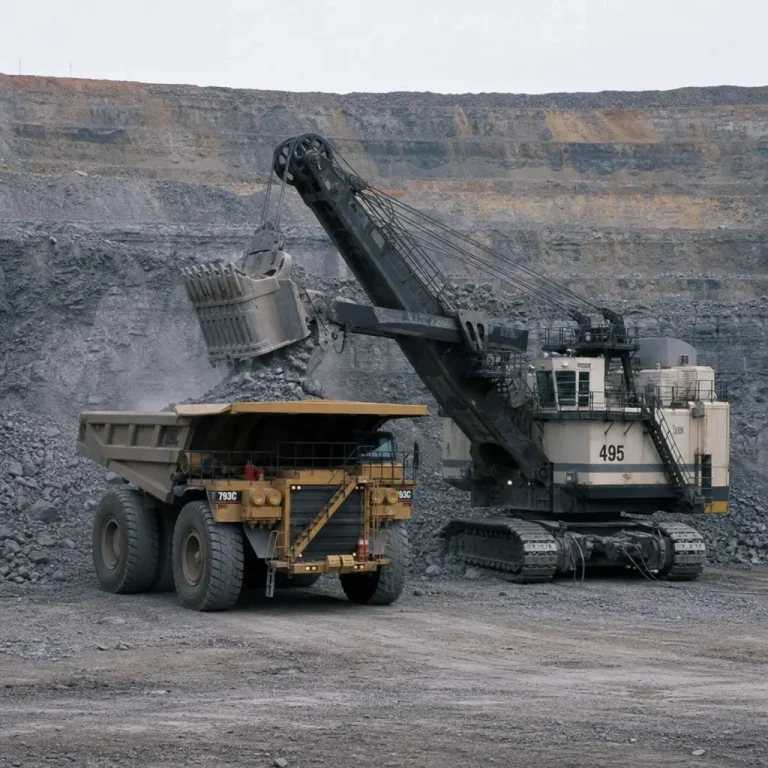
A hydraulic shovel digs and loads material by converting engine or electric power into hydraulic force, then applying that force through booms, arms, buckets, cylinders, and swing systems. In mining, the machine is usually positioned at a face or bench, where it cuts into blasted rock or overburden and loads haul trucks in repeatable cycles. The goal is not just to move material, but to do it safely, consistently, and with enough force to handle dense, abrasive, or uneven ground.
In simple terms, the machine performs four core actions: crowding into the material, lifting the loaded bucket, swinging toward the truck, and dumping with control. Each action depends on hydraulic pressure, flow, structural strength, and operator timing. When these elements work together, a mining shovel can become the central loading unit in a production fleet.
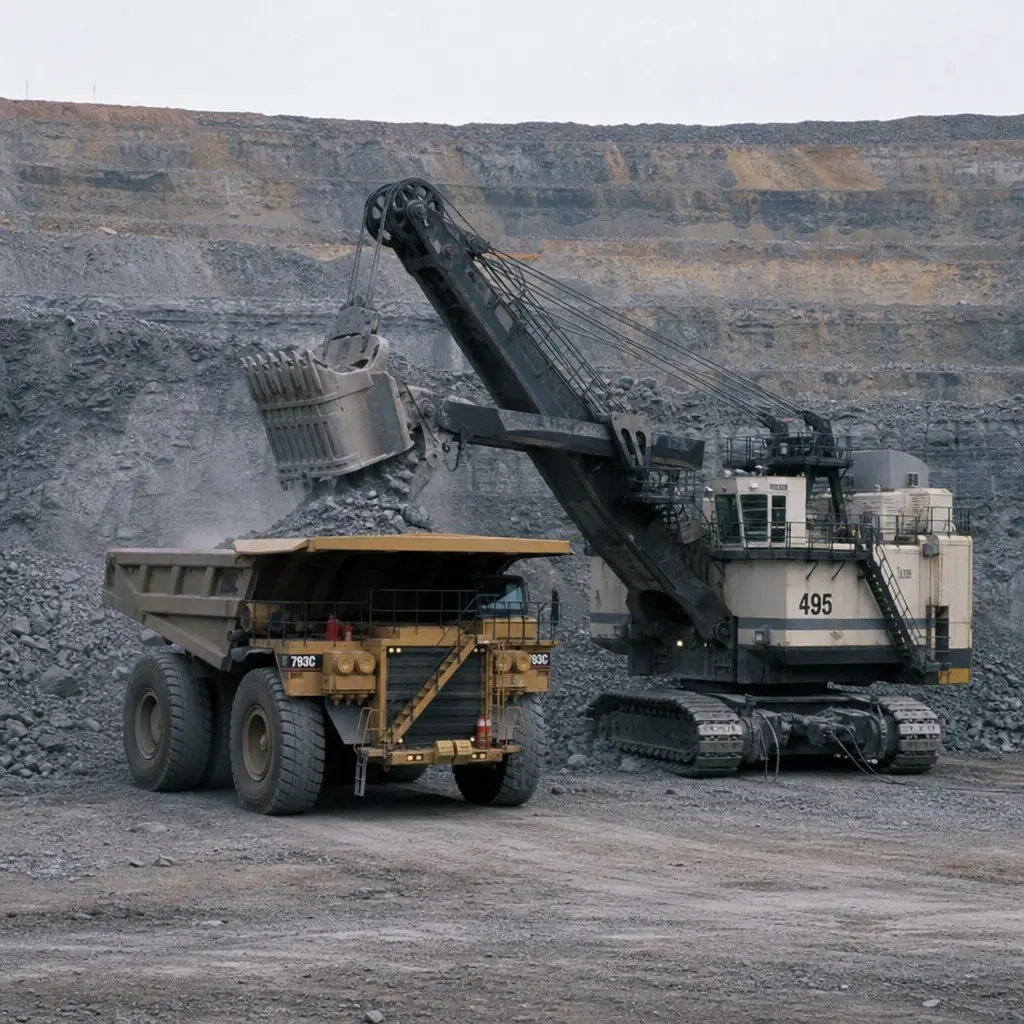
A hydraulic mining excavator may look like one huge piece of steel from the outside, but it is really a coordinated set of systems. Each system has a specific job, and production depends on how well they work together under load.
The hydraulic system is the heart of the machine. Pumps pressurize hydraulic fluid and send it through valves, hoses, manifolds, and cylinders or motors. When the operator moves the controls, valves direct the fluid to the right actuator, allowing the boom to raise, the stick to move, the bucket to curl, or the upper structure to swing.
Hydraulic systems are valued because they can generate very high force in a controlled way. This is why a hydraulic mining shovel can bite into hard material, lift a loaded bucket, and make fine movements near a truck body. The same system also allows multiple functions to happen at once, such as lifting while swinging.
The front attachment includes the boom, stick, bucket linkage, and bucket. These parts take the force created by the hydraulic system and apply it directly to the ground. Their geometry affects digging depth, breakout force, reach, loading height, and how smoothly the bucket fills.
The bucket is more than a container. Its lip, teeth, side cutters, and wear protection determine how it penetrates material and how long it lasts in abrasive conditions. A bucket that is too small may limit truck loading efficiency, while one that is too large can slow cycle times or strain the machine.
After the bucket is loaded, the upper structure rotates on the undercarriage so the operator can dump into a truck or crusher feed point. The swing system must be powerful enough to move the loaded front attachment smoothly, but controlled enough to avoid spillage and impact.
Inside the upper structure are major components such as the operator cab, power unit, hydraulic pumps, cooling systems, counterweight, and service platforms. The counterweight is especially important because it helps balance the machine during digging and lifting.
Most large hydraulic shovels use crawler tracks because they spread the machine’s weight over a larger surface area and provide stability on mine benches. The undercarriage supports the full machine while allowing it to reposition around the digging face.
Tracks, rollers, idlers, and drive components are exposed to constant shock, dust, rock, and uneven ground. Their condition directly affects availability and safety. Poor undercarriage maintenance can make even a powerful shovel excavator difficult to position and costly to operate.
The mechanics begin with a power source, which may be diesel, electric, or a hybrid-style arrangement depending on the machine and site. That power turns hydraulic pumps. The pumps create flow, and resistance in the system creates pressure. Together, flow and pressure determine how fast and how forcefully the machine can move.
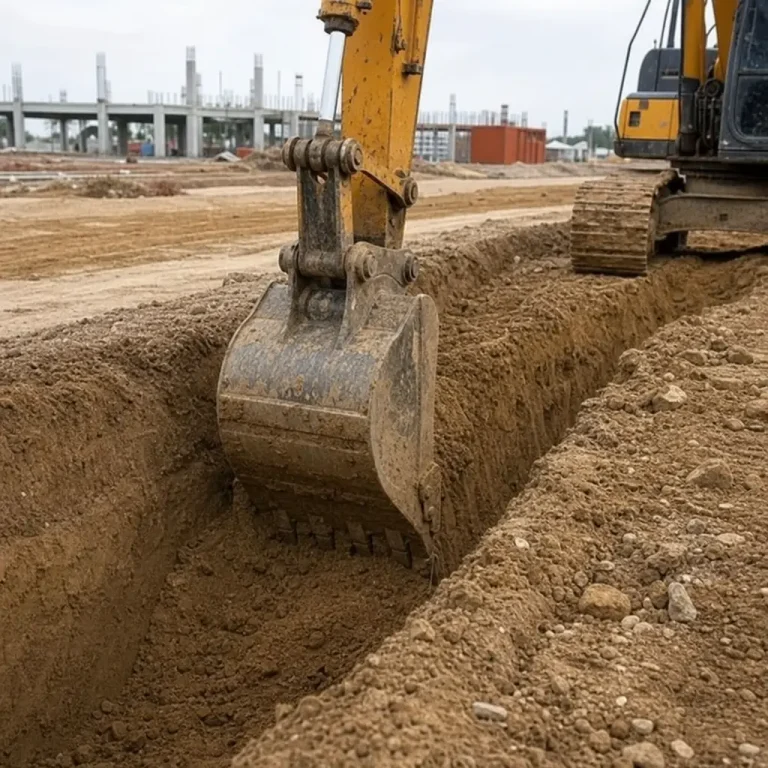
When digging, the operator uses the controls to coordinate the boom, stick, and bucket. Hydraulic cylinders extend or retract, moving the steel attachment through the material. The bucket teeth break into the face, the bucket curls to fill, and the boom lifts the load out of the cut.
A productive cycle usually depends on balance rather than brute force alone. If the operator curls too early, the bucket may not fill well. If the machine is positioned poorly, the shovel may waste energy reaching or swinging too far. If the material is fragmented unevenly, the machine may face higher resistance and longer cycle times.
Key factors that influence digging performance include:
The terms used around large digging machines can be confusing. A hydraulic shovel uses hydraulic cylinders and motors to move its attachment and swing system. An electric shovel mining machine, often called an electric rope shovel, typically uses electric motors, ropes, drums, and crowd mechanisms to dig and load material. A power shovel excavator is a broader phrase that may refer to large mechanical or hydraulic digging machines, depending on context.
The practical differences matter because each machine type has different strengths. Hydraulic shovels are known for flexibility, precise control, and strong breakout force in varied digging conditions. Electric rope shovels are often associated with very large, high-production mine environments where long service life and high-volume loading are central priorities.
A simplified comparison looks like this:
| Machine type | Typical strength | Common consideration |
| Hydraulic shovel | Strong digging force, responsive control, flexible positioning | Hydraulic system maintenance and component wear |
| Electric shovel mining machine | High-volume loading in large open-pit mines | Requires suitable mine infrastructure and operating scale |
| Power shovel excavator | Broad category for heavy digging and loading | Meaning depends on site terminology and machine design |
| Standard shovel excavator | Versatile earthmoving and loading | May not be built for the same duty as a mine shovel |
No single option is automatically best. The right choice depends on mine plan, production target, material density, bench height, truck fleet, energy infrastructure, maintenance capability, and the expected life of the operation.
Cycle time matters because the shovel often sets the pace for the entire loading and hauling system. A few seconds lost on every dig, swing, dump, and return cycle can reduce truck utilization and lower total material moved over a shift. A smooth hydraulic shovel cycle helps keep haul trucks moving, reduces waiting time, and supports more predictable production.
A typical loading cycle includes digging, hoisting, swinging, dumping, and returning to the face. Each step creates an opportunity for efficiency or delay. The machine may be powerful, but if the truck is positioned too far away or the digging face is poorly prepared, cycle time will still suffer.
Good cycle management focuses on repeatability. Operators and planners aim for consistent truck spotting, proper bench cleanup, efficient swing angles, and a bucket size that fills trucks in an appropriate number of passes. The result is less wasted movement and a more stable rhythm between the mining shovel and the haul fleet.
Modern hydraulic mining shovel operation is both physical and technical. The operator must feel how the machine responds, watch the digging face, protect the truck, and manage the bucket path with precision. Good control reduces structural shock and helps avoid overloading trucks or spilling material.
Many machines also include monitoring systems that help operators and maintenance teams understand performance. Depending on the model and configuration, these systems may track operating hours, system temperatures, pressures, alarms, payload-related information, or fault codes. The value is not just data collection; it is using that information to adjust practices before small issues become expensive downtime.
For example, repeated overheating may point to cooling system restrictions, overloading, or harsh operating conditions. Unusual hydraulic behavior may suggest contamination, leakage, pump wear, or valve issues. When crews respond early, the hydraulic shovel can stay available longer and operate with fewer interruptions.
A mine shovel is a production asset, but it is also a maintenance commitment. Hydraulic components, structural weldments, pins, bushings, tracks, buckets, filters, coolers, and electrical systems all need attention. Preventive maintenance helps protect availability, while reactive maintenance usually happens at the worst possible time: when the mine needs the machine running.
A practical maintenance mindset includes:
The machine’s design provides the capability, but maintenance preserves it. A neglected hydraulic mining excavator can lose efficiency through slow functions, leaks, worn joints, poor bucket penetration, and unexpected shutdowns.
Choosing a hydraulic shovel is not only a question of machine size. The machine must fit the way the mine is designed to operate. Bench height, road layout, truck class, material type, digging depth, and loading pattern all influence what configuration makes sense.
For example, a machine with excellent digging force may still be inefficient if its bucket does not match the truck fleet. Too few passes may overload trucks or create spillage, while too many passes can slow loading and increase truck queue time. The target is a balanced system where the shovel, trucks, operators, and maintenance resources support the same production goal.
Important selection questions include:
These questions help prevent a common mistake: choosing a machine for peak capacity alone instead of total system performance.
A hydraulic shovel works around people, haul trucks, highwalls, uneven ground, and large stored energy. Safety depends on procedures, communication, visibility, and disciplined operating habits. The machine’s size can make ordinary movements hazardous if the work area is not controlled.
Operators should maintain awareness of swing radius, truck position, ground stability, and overhead or nearby hazards. Ground crews should avoid entering the operating zone unless communication is clear and the machine is secured. Supervisors can support safe production by designing traffic patterns and loading areas that reduce conflict between equipment.
Predictability is the central safety principle. When truck drivers know where to spot, operators follow consistent loading patterns, and maintenance teams use proper lockout and isolation practices, the entire loading area becomes easier to manage.
A hydraulic shovel is more than a large excavator with a bigger bucket. It is a coordinated mining system built around hydraulic power, structural strength, skilled operation, and disciplined maintenance. When matched correctly to the mine plan, it can deliver strong digging performance, controlled loading, and dependable production.
The best results come from looking beyond the machine itself. Bucket selection, truck matching, bench preparation, operator training, maintenance planning, and cycle discipline all shape real-world output. Whether a site uses a hydraulic mining shovel, an electric shovel mining machine, or another power shovel excavator, the goal remains the same: move material safely, efficiently, and consistently.
@ 2025-2026 Langteng Machinery